
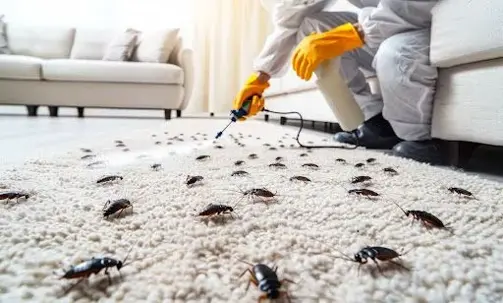
Integrating sustainable pest control strategies has become a key priority for both homeowners and businesses throughout Idaho. Integrated Pest Management (IPM) stands out as an effective, environmentally conscious approach that minimizes the use of traditional pesticides and curbs the risk of unwanted pests becoming established. By focusing on long-term prevention and cultural practices, IPM helps safeguard health, property, and the unique ecosystems in and around the Gem State. In this beginner’s guide, we’ll explore the principles, processes, and rewards of IPM, along with ways local communities can implement it successfully.
Defining Integrated Pest Management (IPM)
Integrated Pest Management emphasizes collaboration between science-based methods and environmental stewardship. Instead of relying solely on chemical applications, IPM combines cultural, biological, and mechanical techniques to control pests. According to the Environmental Protection Agency, IPM is designed to manage pest populations at acceptable levels rather than eradicating them entirely. Such a holistic approach is ideal for preserving Idaho’s agricultural wealth and urban landscapes because it considers the local environment, weather patterns, and potential impacts on beneficial insects.
By adapting strategies over time, IPM practitioners maintain a dynamic defense system. This flexibility helps address emerging pest problems before they grow into unmanageable infestations, which can be especially helpful in Idaho’s diverse climates—from high desert regions to more temperate valleys.
Core Principles and Steps of IPM
IPM is typically broken down into four main stages: monitoring, identification, prevention, and control. Each of these steps builds on the previous one, aiming to address pest problems efficiently and effectively.
First, monitoring involves diligent observation of your environment to catch early warning signs of pest activity. Whether it’s routine inspections of your yard or checking for droppings in a commercial space, this step helps prevent surprises down the line. Next, correct identification is crucial in determining the best course of action. For instance, the approach to ants invading a kitchen will differ significantly from an approach to aphids damaging a greenhouse.
Prevention strategies come next, often revolving around habitat management and cultural controls—practices like sealing entry points, maintaining proper food storage, or adopting landscaping techniques that deter pests. Finally, if preventive measures aren’t enough, IPM relies on targeted control methods. These could involve introducing beneficial insects, applying traps, or using pesticides strategically as a last resort.
Local Implementation in Idaho
Compared to some other states, Idaho’s unique regional variances call for tailored IPM solutions. For example, the high desert climate in Southern Idaho can impact pest activity differently from the moister conditions in Northern Idaho. Local institutions like the University of Idaho Extension on IPM offer region-specific guidelines to address these differences, making it easier for homeowners and businesses to identify the most effective and least disruptive strategies.
In agricultural areas, IPM might rely heavily on crop rotation or incorporating natural predators. Meanwhile, residents in urban centers like Boise or Idaho Falls might focus on sealing cracks in walls, organizing waste management schedules, and using organic mulches to deter insects. Regardless of location, success comes from adapting IPM principles to fit the local landscape.
Success Stories in Residential and Commercial Spaces
Across Idaho, many property owners have discovered that adopting IPM can lead to both short- and long-term benefits. Residential communities commonly report fewer allergies by avoiding blanket pesticide treatments, while commercial settings often reduce overall costs because they spend less on repeated chemical applications.
One notable example involves a group of Boise homeowners who worked with local experts to address a recurring ant problem. By identifying the species and changing yard care routines—like trimming plants that touched the house and moving woodpiles—they saw a marked decline in ants without resorting to frequent chemical sprays. Similarly, commercial establishments such as manufacturing plants and office parks have successfully implemented IPM to manage rodents and insects by installing traps, improving sanitation, and sealing off entry points to buildings.
Benefits for Idaho’s Communities
When effectively practiced, IPM not only protects individual properties but also reduces risks to the broader ecosystem. According to the United States Department of Agriculture, certain IPM strategies can reduce pesticide use by up to 50% in agricultural settings, thereby helping maintain the health of beneficial organisms and pollinators. This is particularly important in Idaho, where crops such as potatoes, wheat, and barley—a backbone of the local economy—depend on well-managed fields and stable pollinator populations.
Supporting local wildlife and ensuring minimal chemical exposure also fosters a healthier environment for pets, children, and neighbors. Moreover, IPM can slow the development of pesticide resistance among pests, helping preserve the effectiveness of essential controls for the future.
How to Get Started with IPM
Embarking on an IPM journey doesn’t have to be complicated. Start by closely observing your environment—look for any changes in plant health, structural damage, droppings, or odors. If a problem seems to be taking shape, document precisely where and when occurrences happen. This tracking will be invaluable to professionals who can identify the culprit and recommend the most effective treatment.
Once you have an idea of what’s causing trouble, take preventive measures such as repairing leaks, sealing gaps, and removing clutter that could offer harborage for pests. If more targeted action is required, consult a trained professional who can determine whether a biological control (e.g., beneficial nematodes), mechanical trap, or judicious pesticide use is the best solution. By following these steps, you’ll be able to implement IPM without unnecessary guesswork or wasteful treatments.
Ready to Learn More about IPM?
If you’re curious about how Integrated Pest Management can be tailored to protect your home or business in Idaho, our team at Natura Pest Control is here to help. We’re dedicated to implementing IPM strategies that target pests and reduce environmental impact. Whether you have a pressing issue or simply want a long-term plan, our expertise in local pest dynamics will guide you toward effective solutions.
Explore our Contact page for personalized assistance, or to learn more about the comprehensive services we offer. By choosing IPM, you’ll be taking proactive steps to ensure that your property remains a comfortable, healthy space, all while preserving the natural beauty of Idaho’s landscapes. We look forward to partnering with you on a journey toward sustainable pest management—one that benefits both you and the environment.